



I luoghi imperdibili
The Golden Age of Bruges
Discover how Bruges became one of medieval Europe’s richest and most influential cities. Follow the story from cloth merchants and early banking to bustling canals, powerful guilds and the Burgundian court. Along the way, we cover the stories behind Bruges’ most famous landmarks.
- Tappe
- 8
- Durata
- 46 min
- Distanza
- 1,8 km
- Lingue
Lungo il percorso
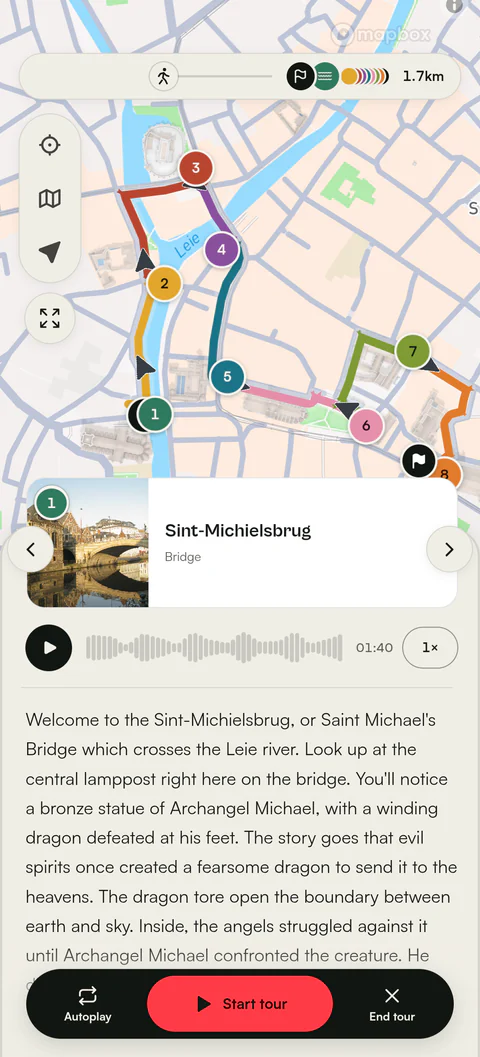
8 tappe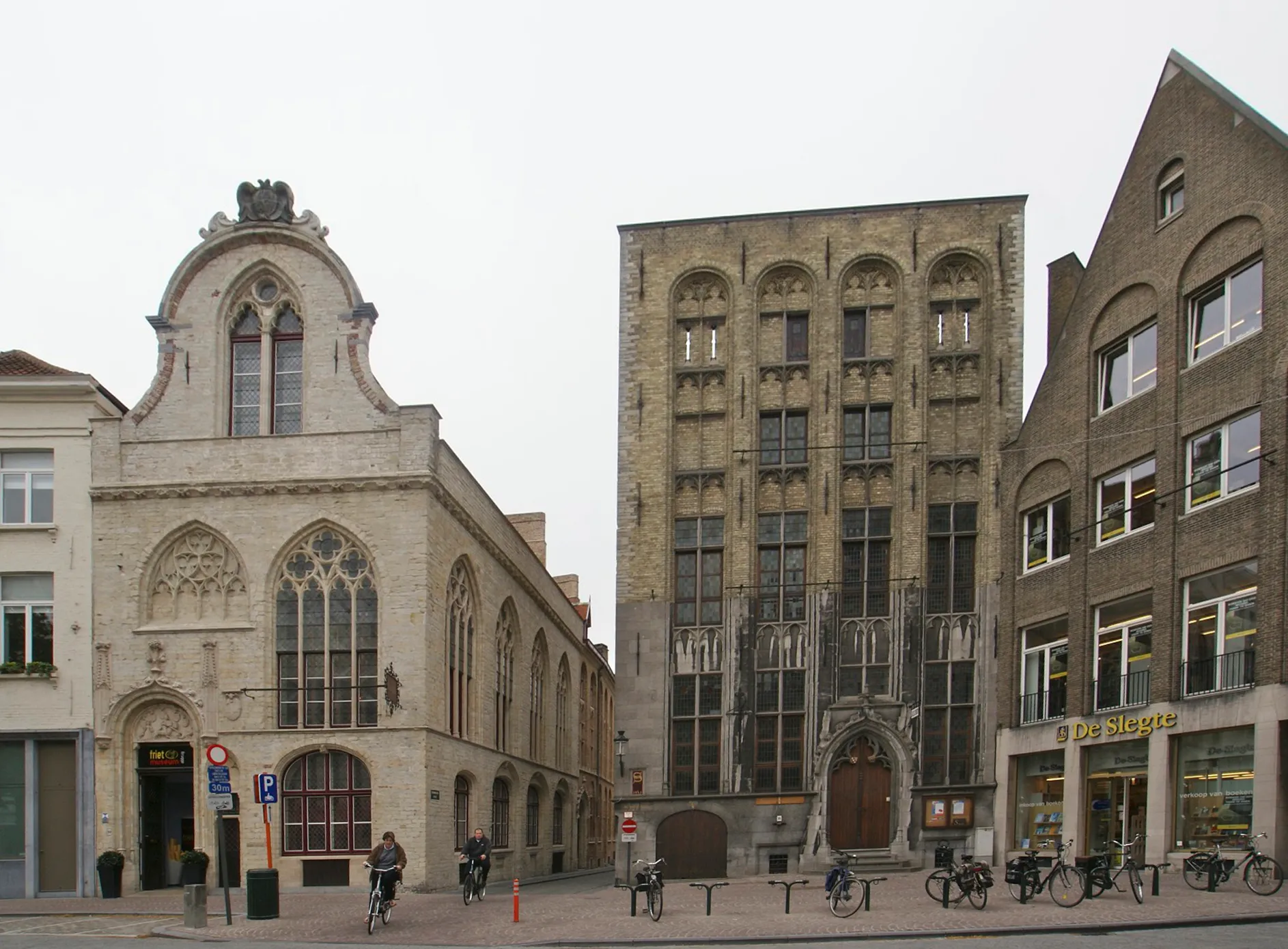
1. Oude Beursplein
A historic square centered around the former Huis ter Beurze, established in 1285. This site served as a medieval trading hub for European merchants and is the etymological origin of the term "bourse" for an exchange.
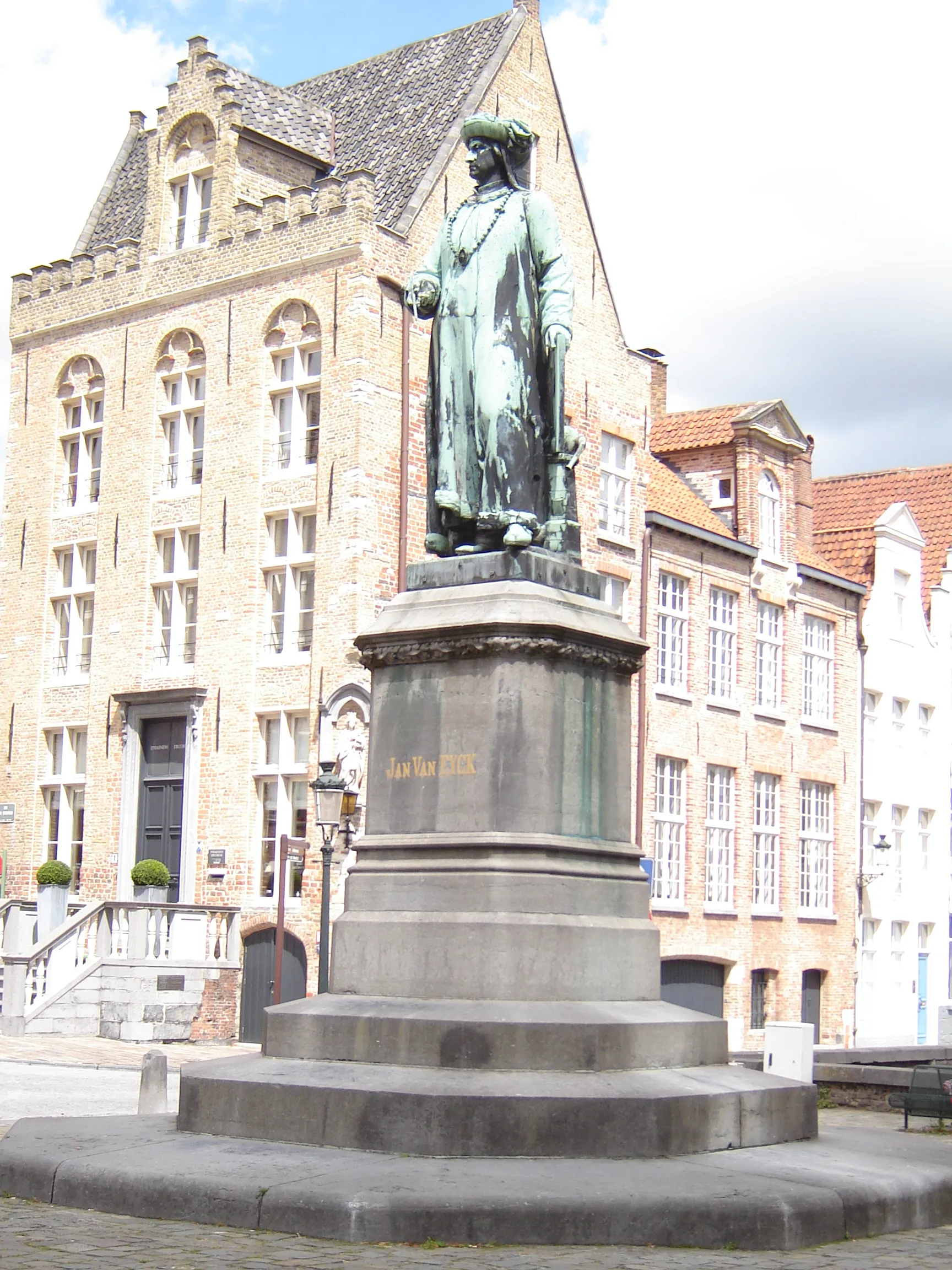
2. Jan van Eyckplein
A square named after the Northern Renaissance painter Jan van Eyck, situated at the intersection of Academiestraat, Spiegelrei, and Spanjaardstraat.
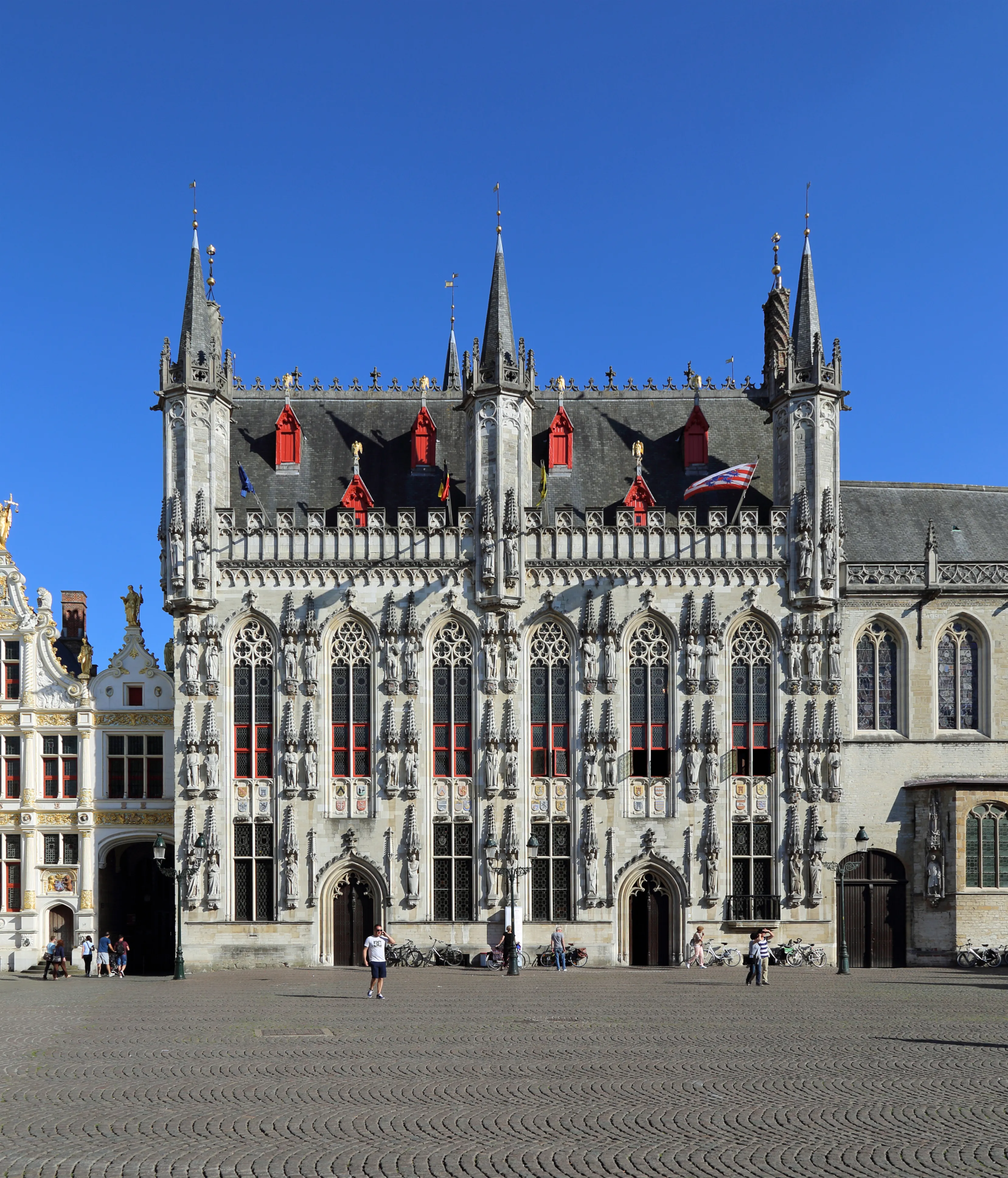
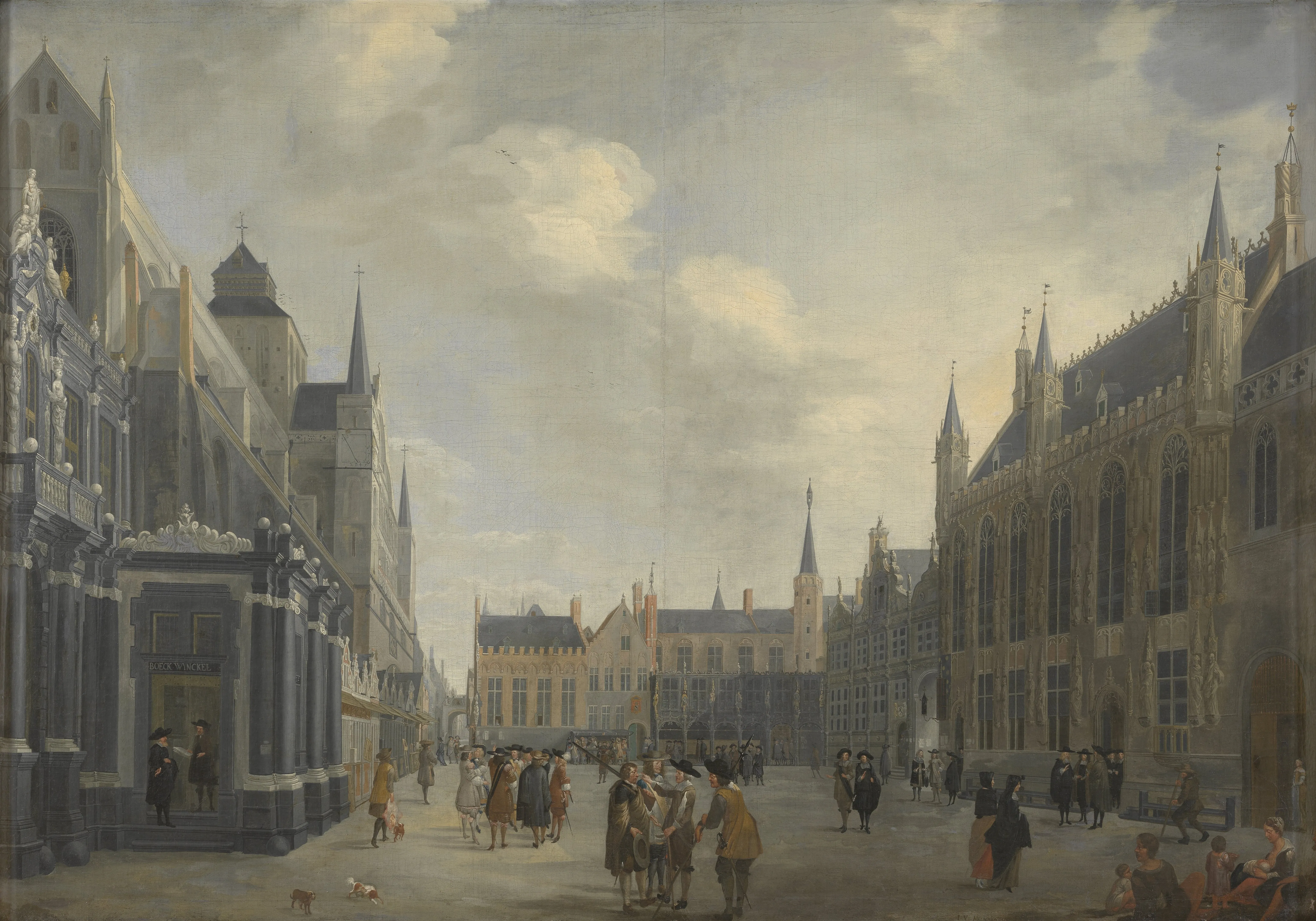
3. Bruges City Hall
Splendido esempio di architettura monumentale tardo-gotica, il Municipio di Bruges vanta una ricca storia che risale al periodo compreso tra il 1376 e il 1421. La sua sfarzosa opulenza riflette il potere economico e politico della città e presenta una facciata in pietra all’avanguardia che ha ispirato altri municipi della regione.
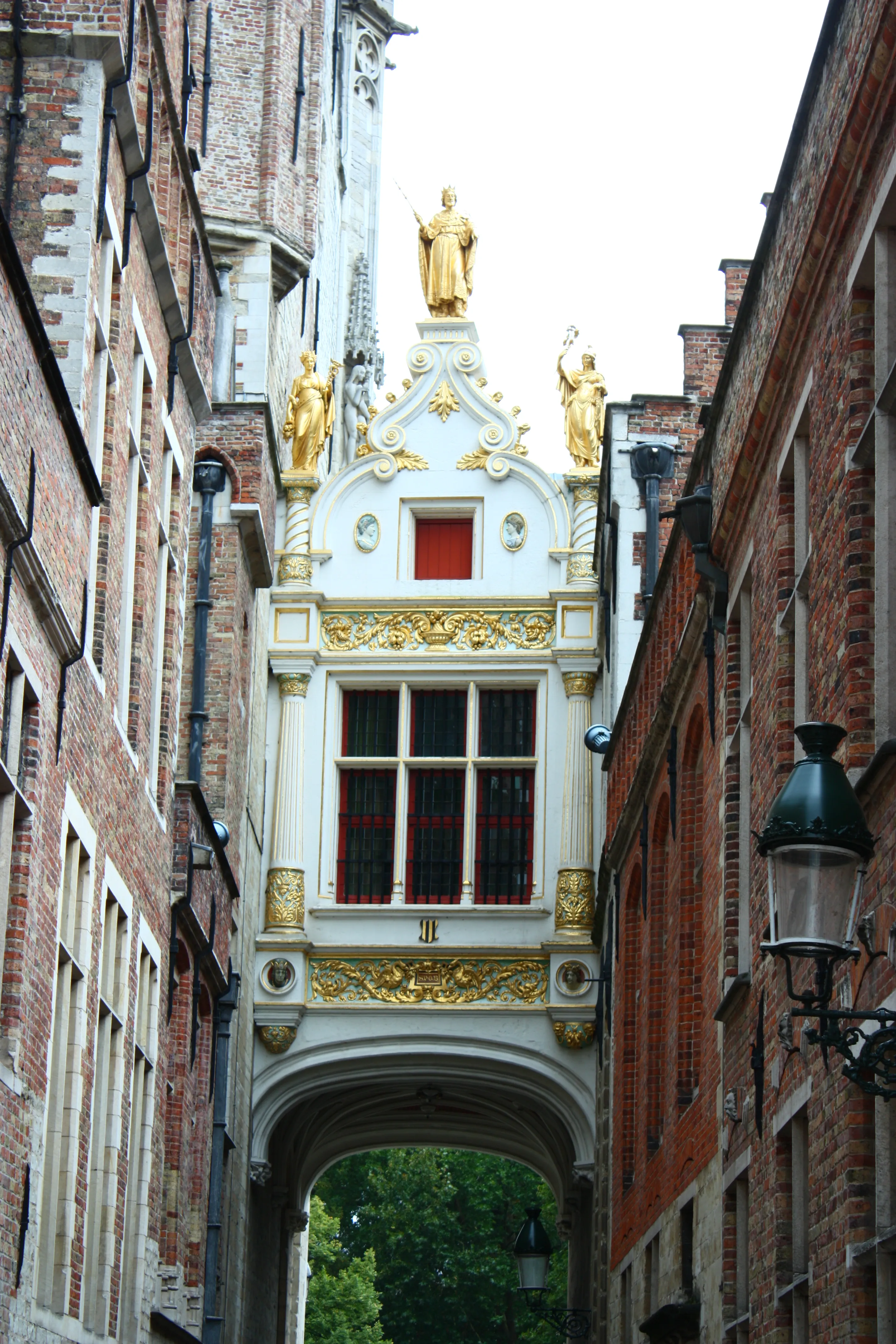
4. Blinde-Ezelstraat
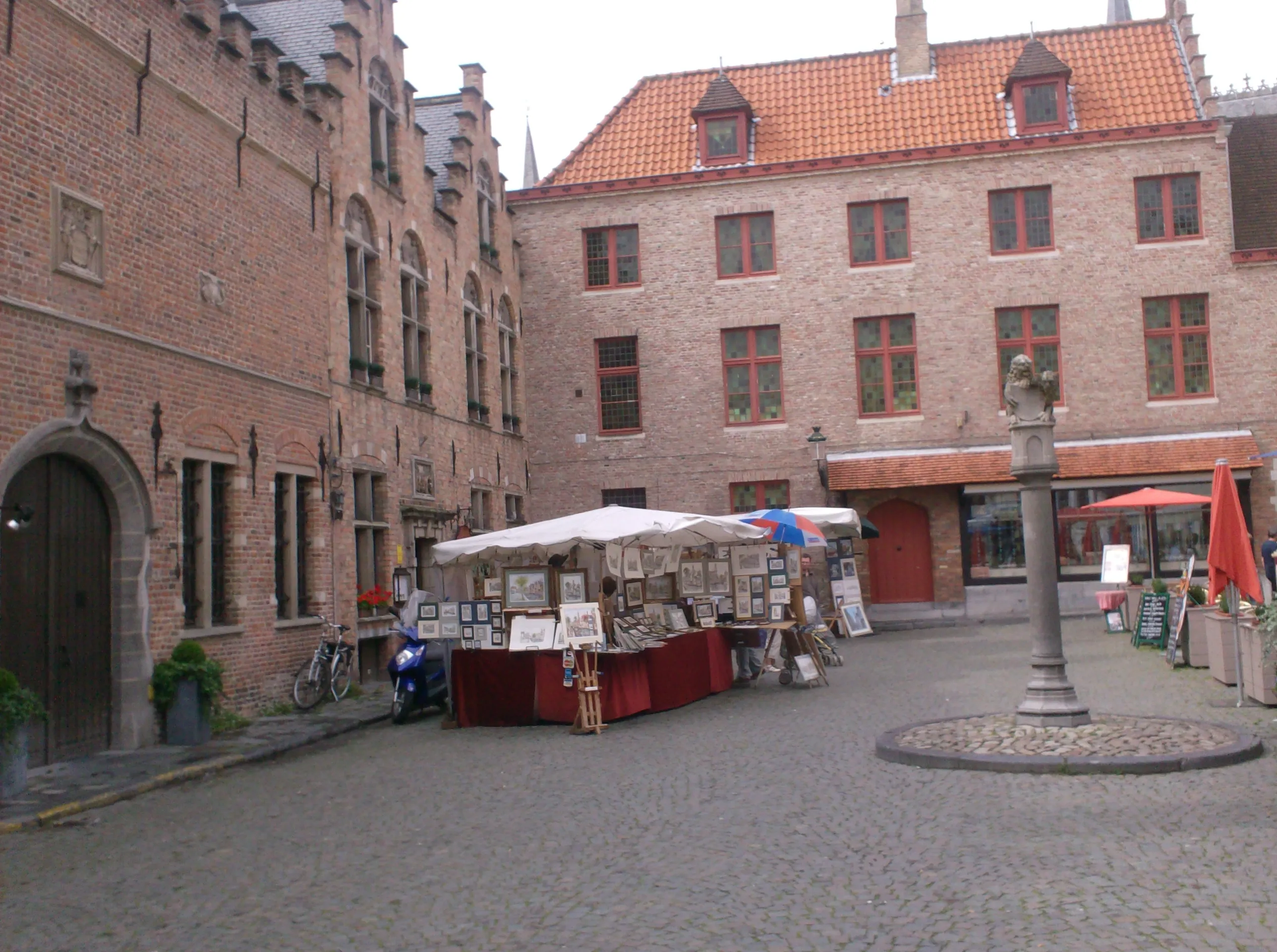
5. Huidenvettersplein
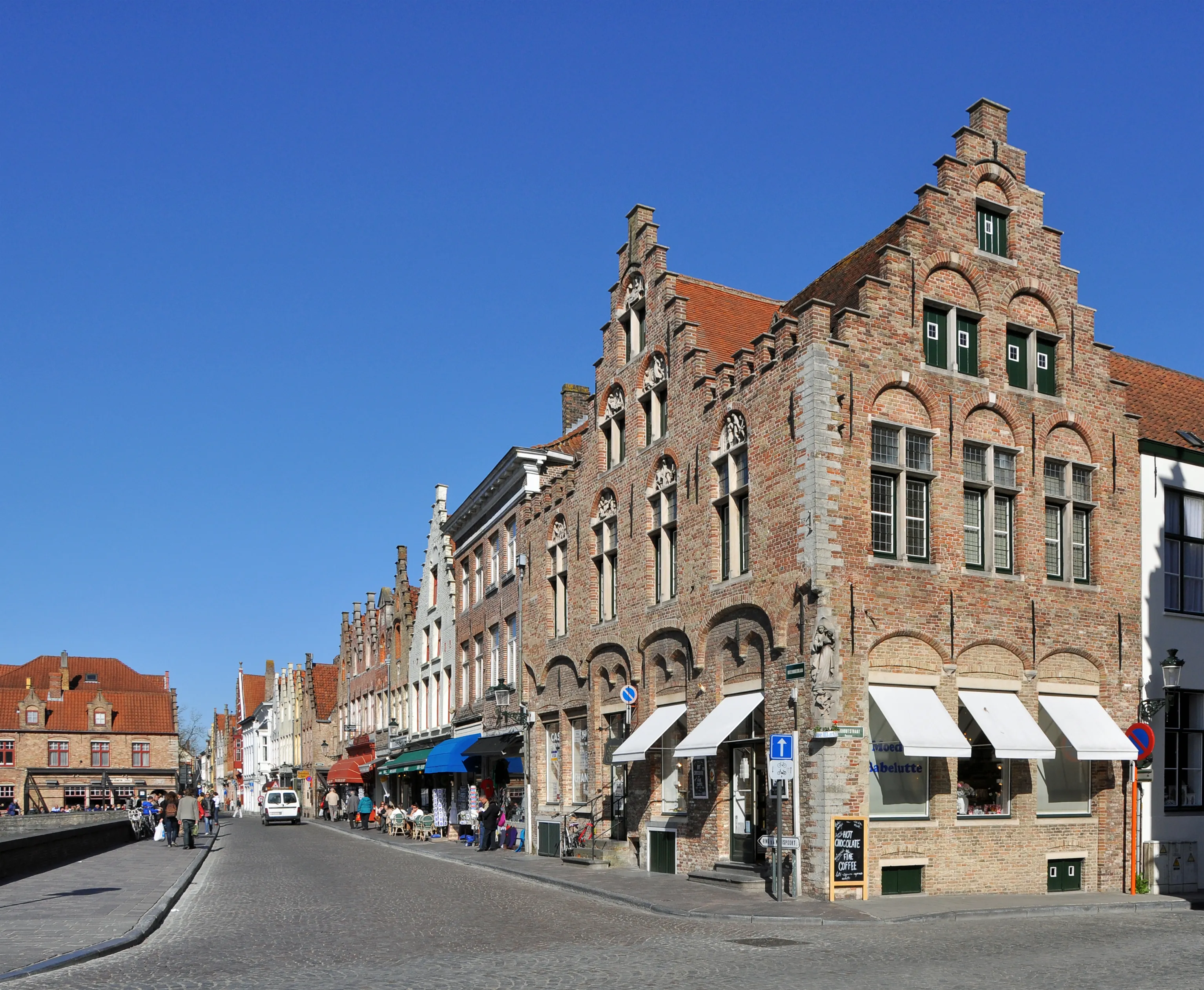
6. Rozenhoedkaai
A famous canal-side street offering one of the city's most iconic and photographed views. Formerly a salt unloading wharf, it earned its name in the 18th century from the many stalls selling rosaries along its banks.
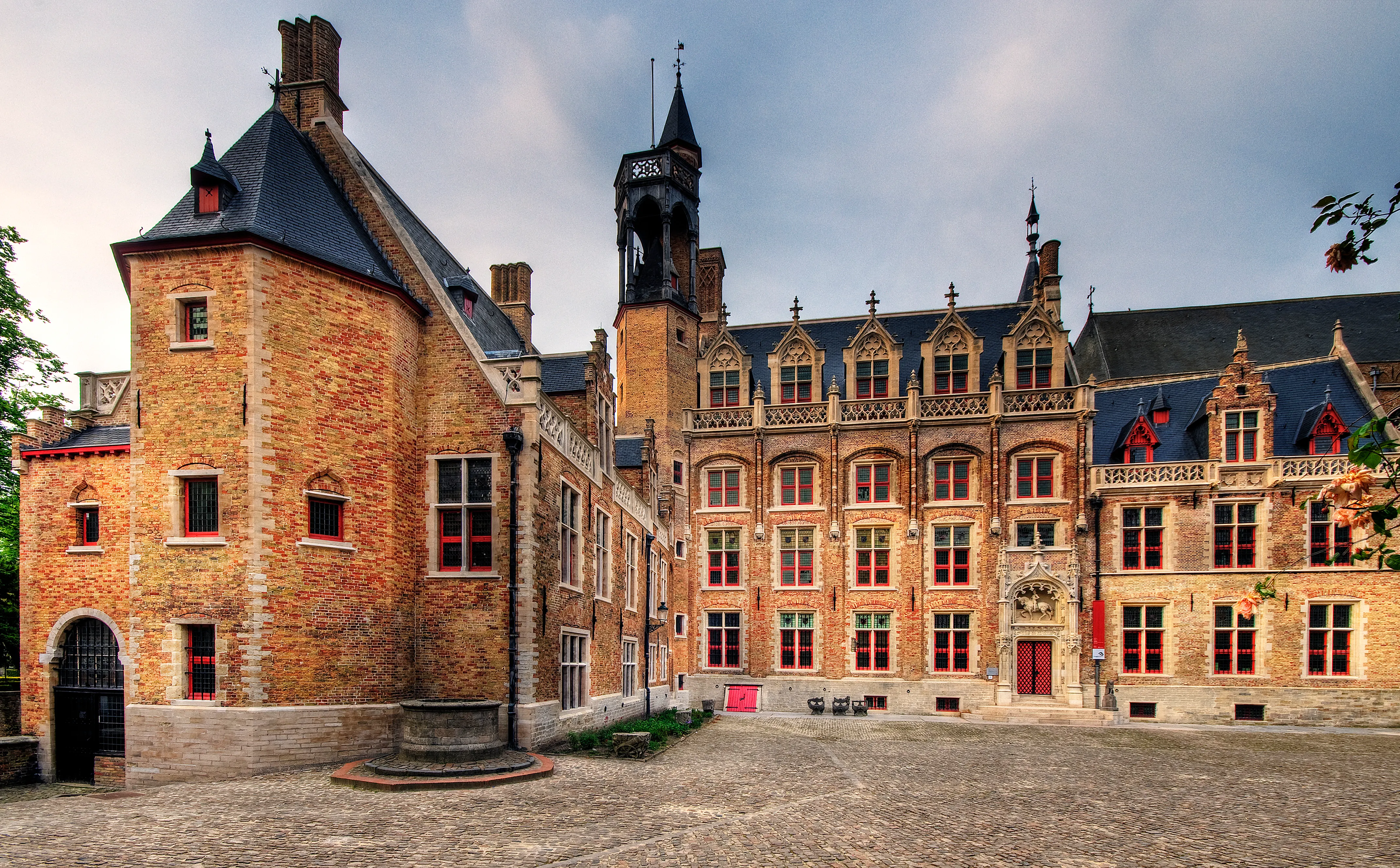
7. Gruuthusemuseum
Un museo che espone una collezione di arti applicate e beni culturali, comprendente mobili, merletti a tombolo, oggetti in oro e argento, armi, strumenti musicali e ceramiche risalenti al periodo compreso tra il XV e il XIX secolo. Il pezzo più famoso del museo è un busto in terracotta dipinta raffigurante Carlo V, imperatore del Sacro Romano Impero.
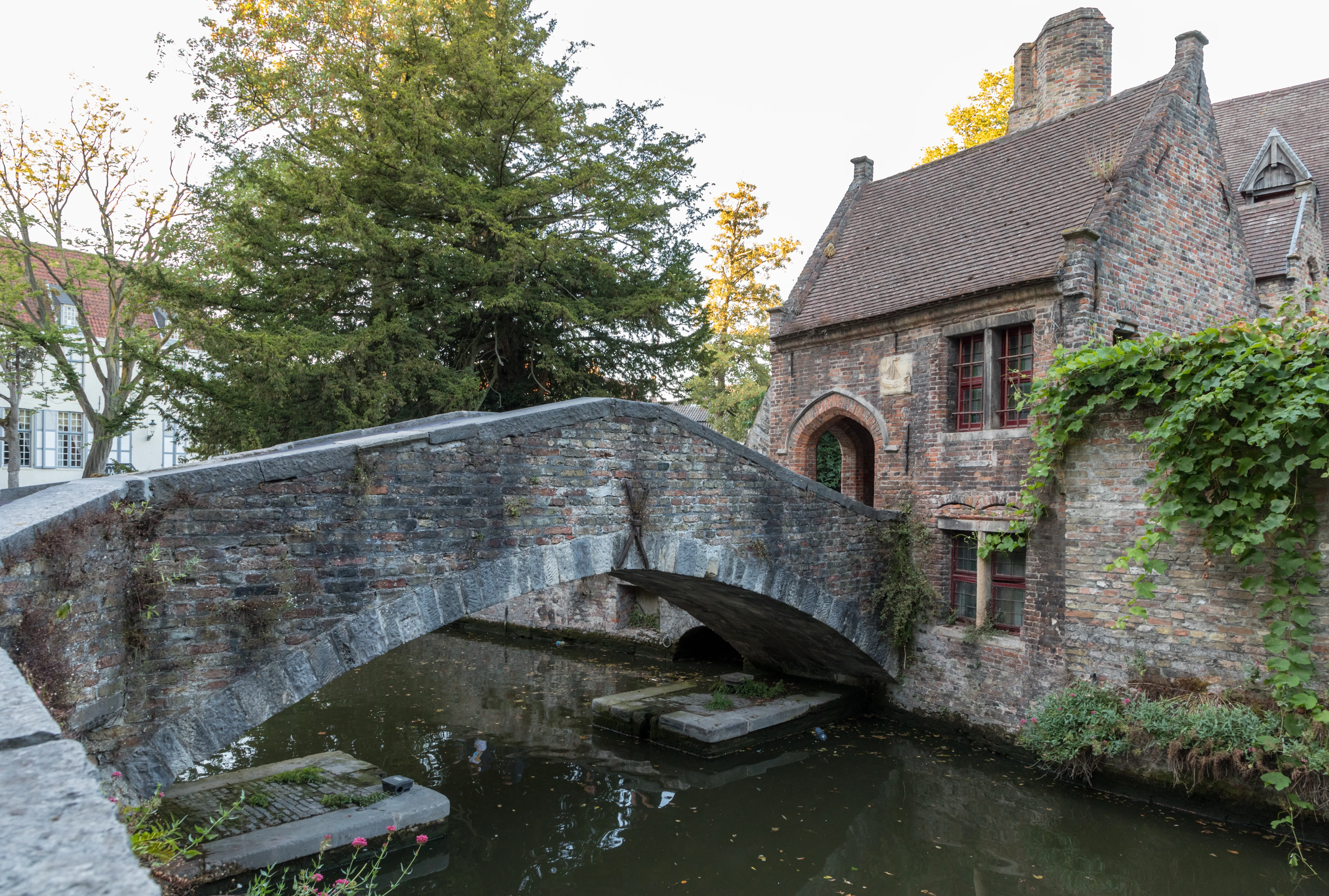
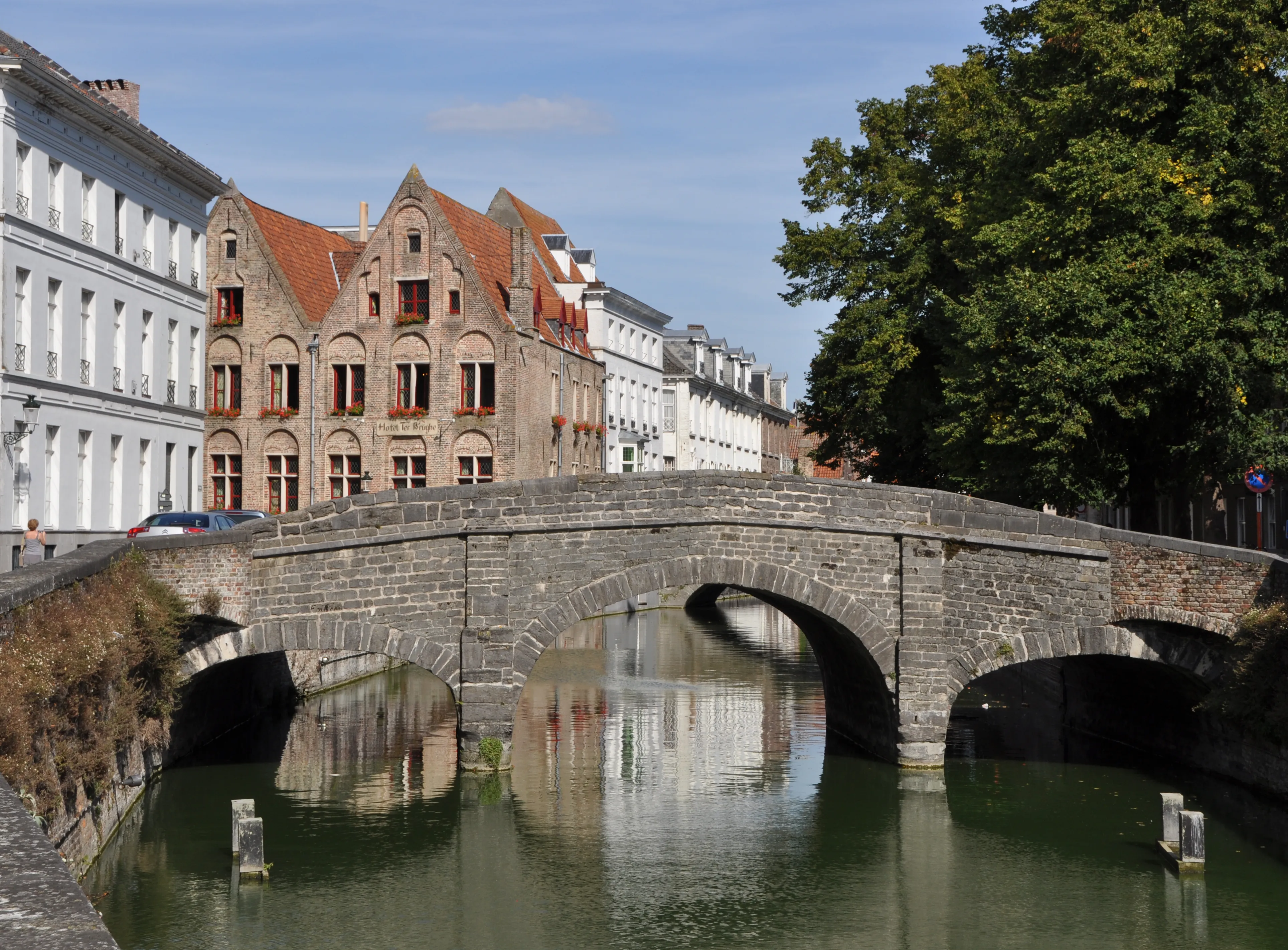
8. Bonifatiusbrug