



The city essentials
The Golden Age of Bruges
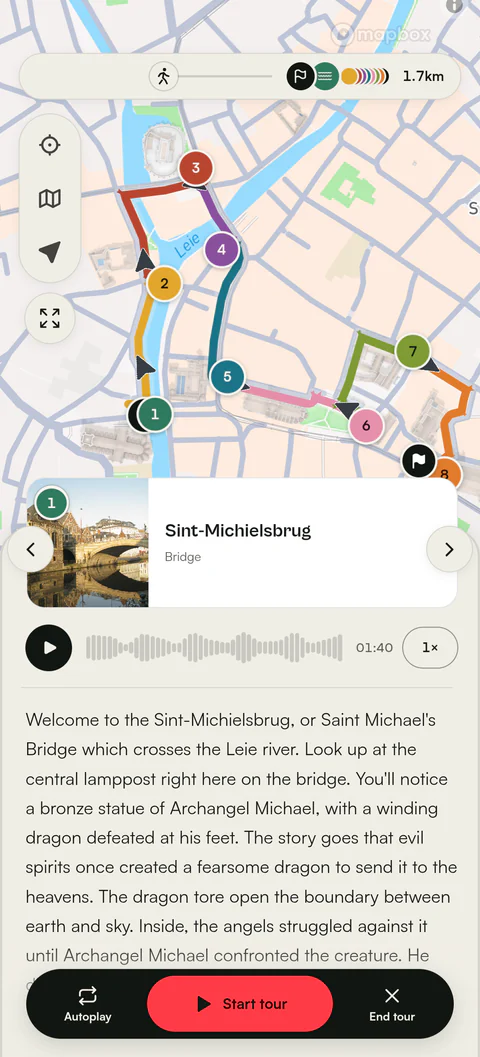
Discover how Bruges became one of medieval Europe’s richest and most influential cities. Follow the story from cloth merchants and early banking to bustling canals, powerful guilds and the Burgundian court. Along the way, we cover the stories behind Bruges’ most famous landmarks.
- Stops
- 8
- Duration
- 46 min
- Distance
- 1.8 km
- Languages
Play a sampleStop 1 · Oude Beursplein · English
This little corner doesn't look like Wall Street, but in medieval Europe it pretty much was. In the fourteenth century, a lot of the money in northern Europe changed hands right here. Look at the corner house with the pointed Gothic…Along the way
8 stops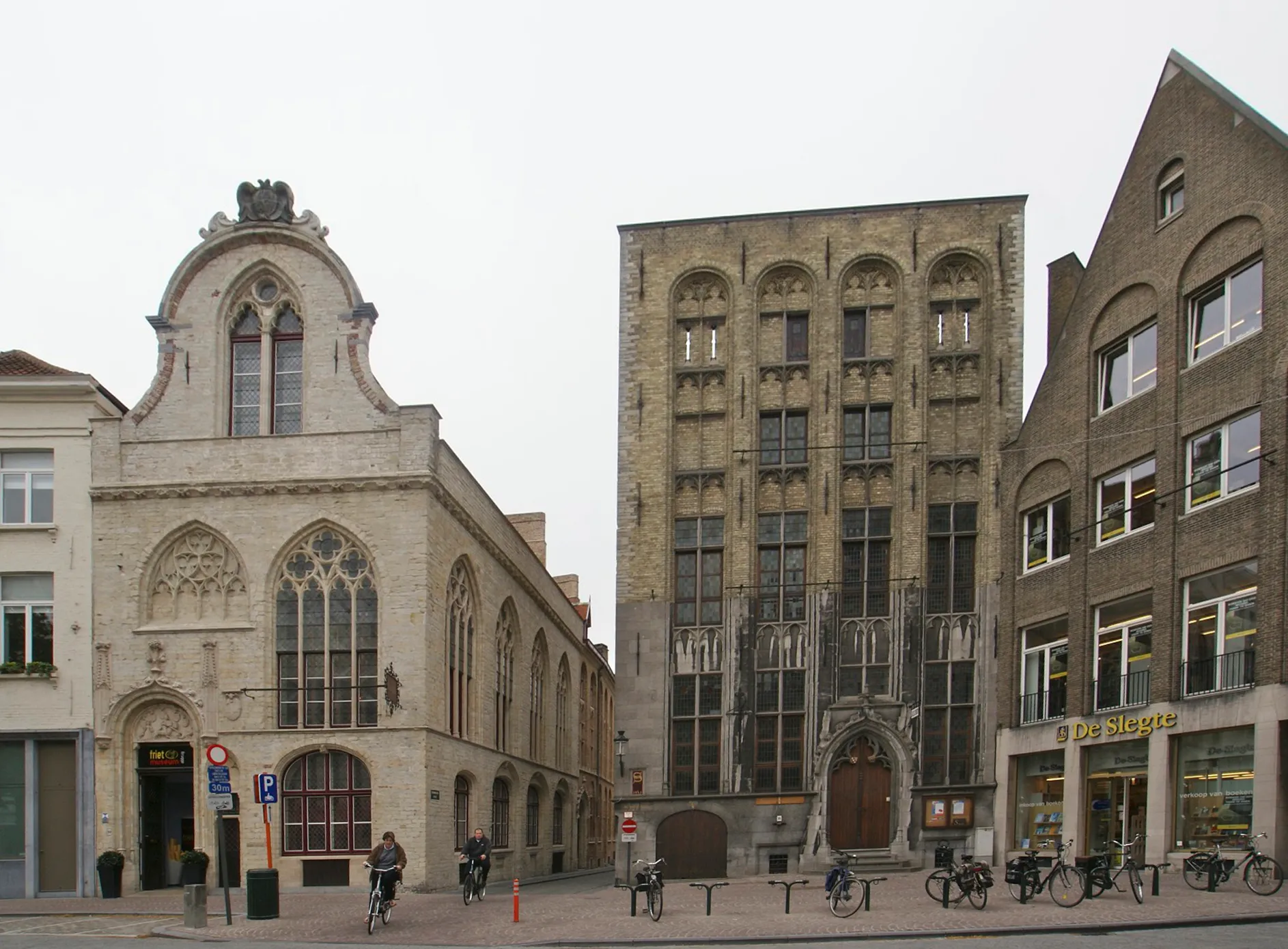
1. Oude Beursplein
A historic square centered around the former Huis ter Beurze, established in 1285. This site served as a medieval trading hub for European merchants and is the etymological origin of the term "bourse" for an exchange.
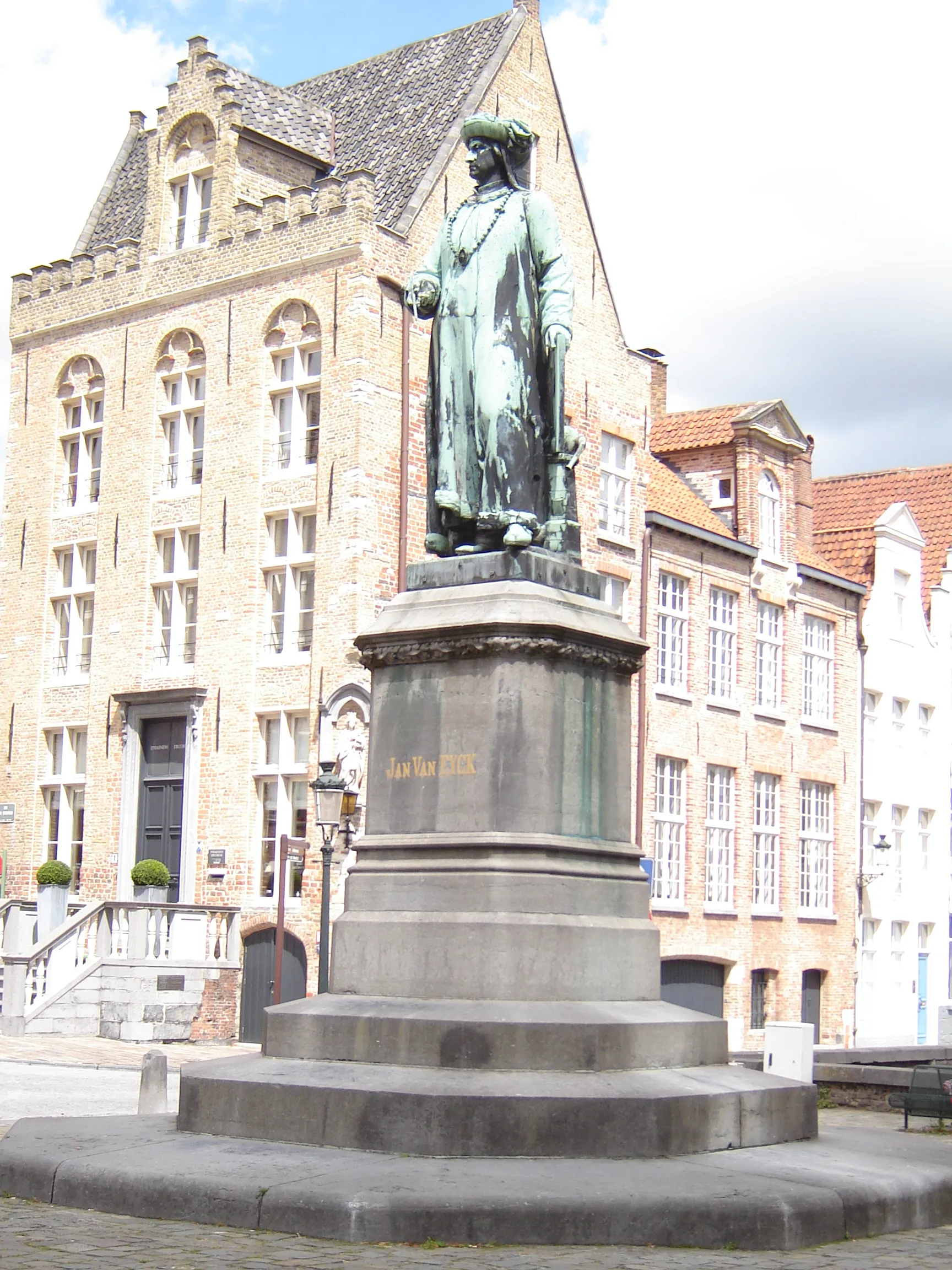
2. Jan van Eyckplein
A square named after the Northern Renaissance painter Jan van Eyck, situated at the intersection of Academiestraat, Spiegelrei, and Spanjaardstraat.
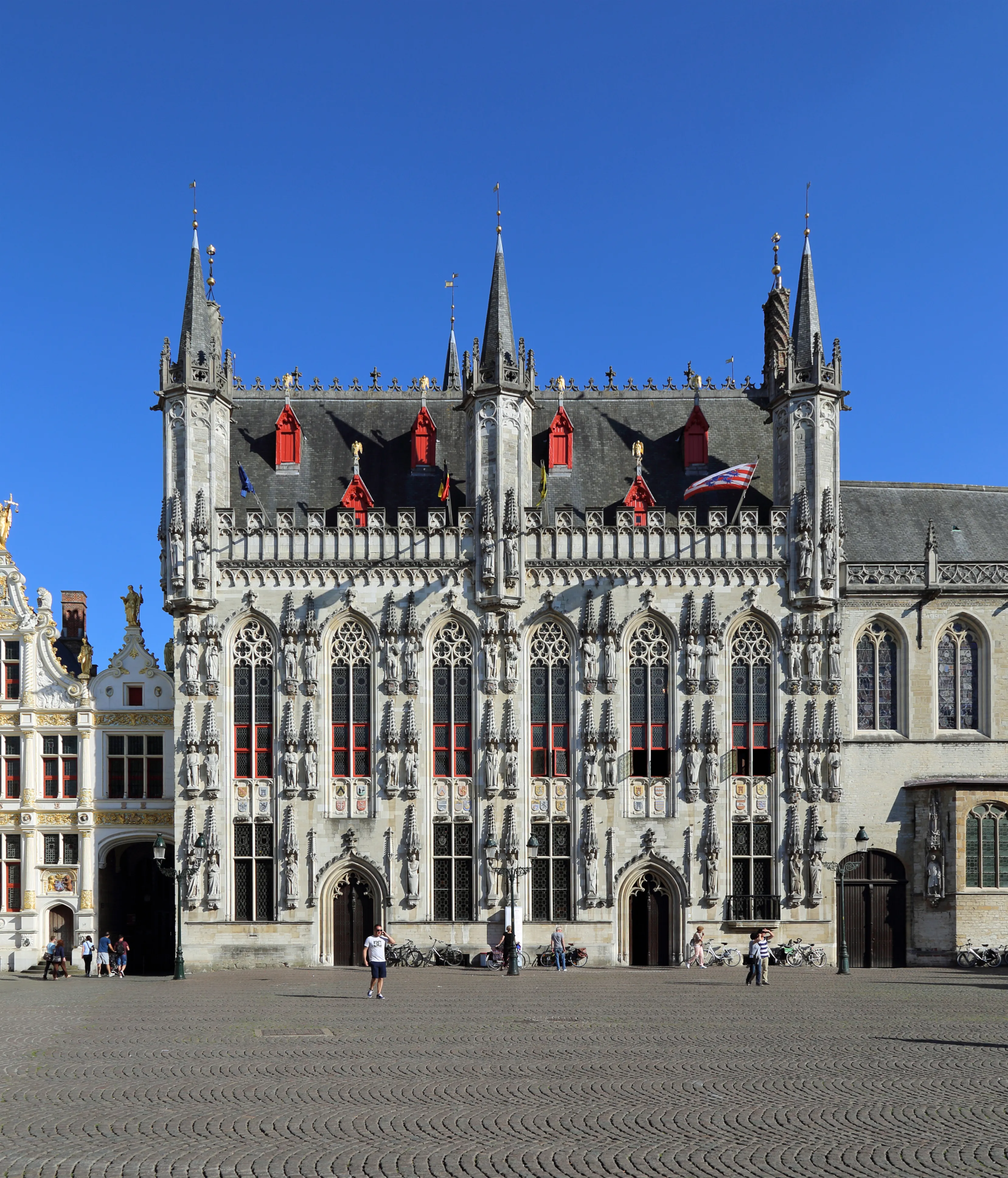
3. Bruges City Hall
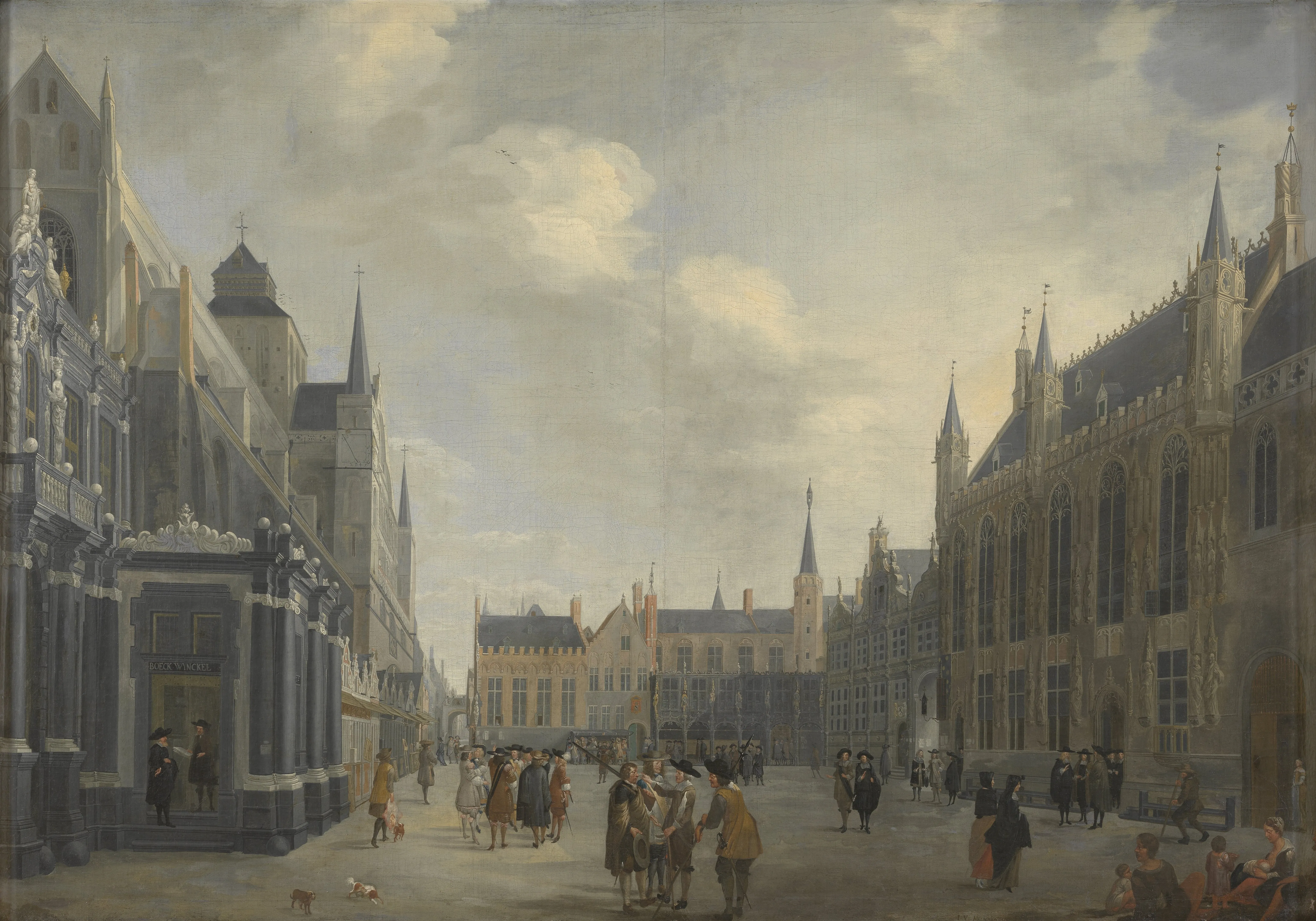
A stunning example of late-Gothic monumental architecture, the Bruges City Hall boasts a rich history dating back to 1376-1421. Its flamboyant opulence reflects the city's economic and political power, featuring a pioneering stone facade that inspired other city halls in the region.
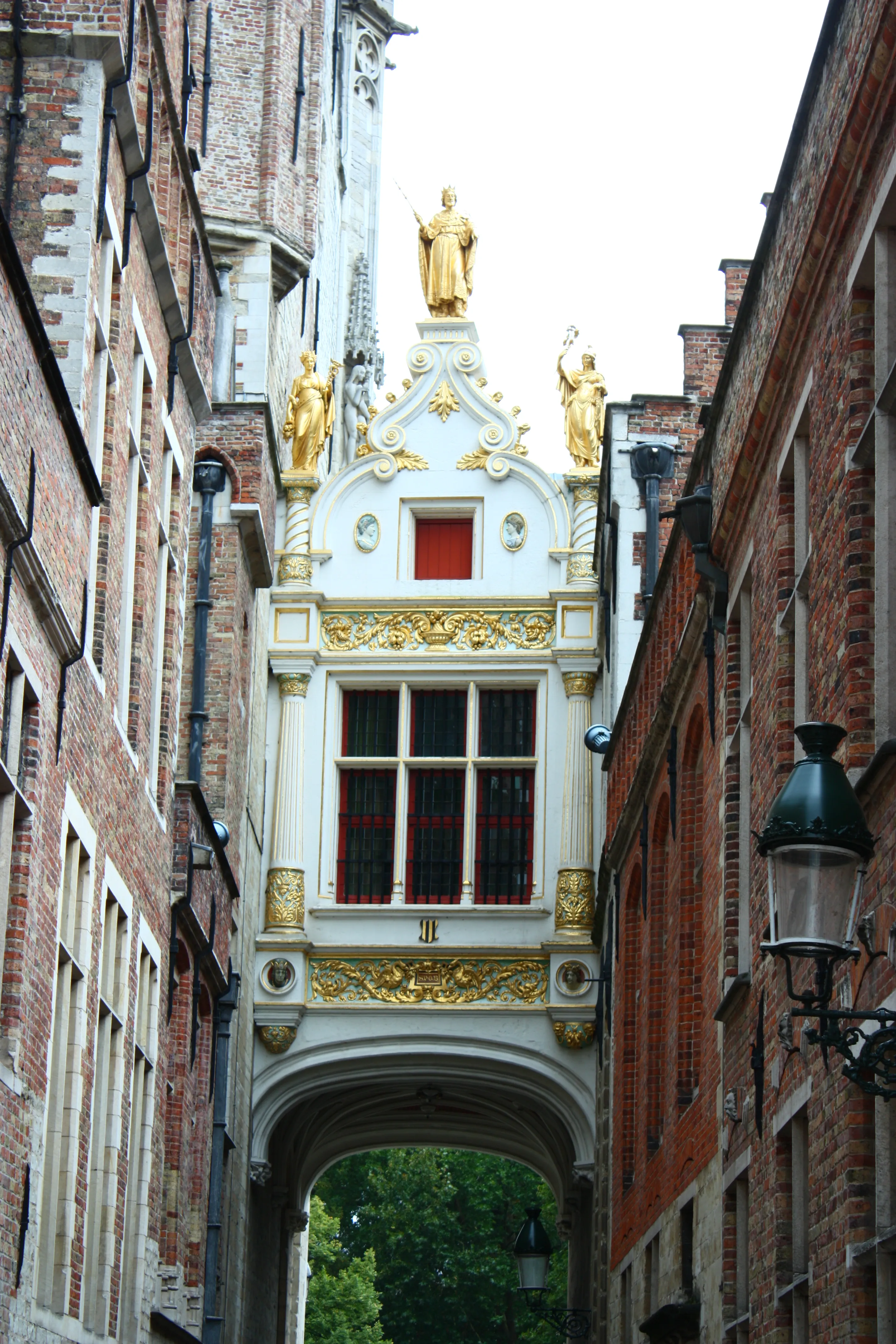
4. Blinde-Ezelstraat
A small street running between the Burg and the Vismarkt, it derives its name from a 15th-century inn. The name likely refers to the practice of blindfolding donkeys used in malt mills to prevent dizziness.
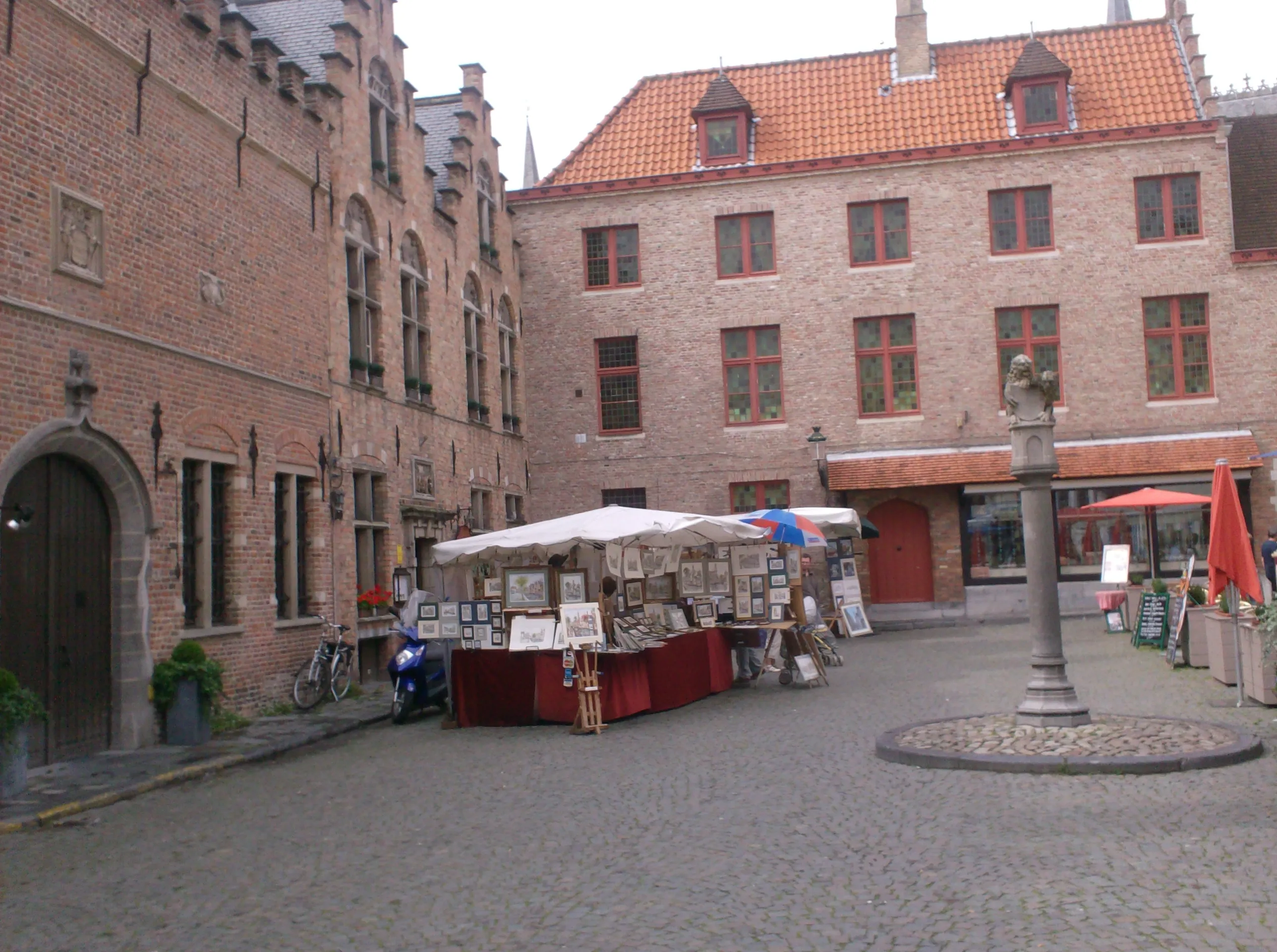
5. Huidenvettersplein
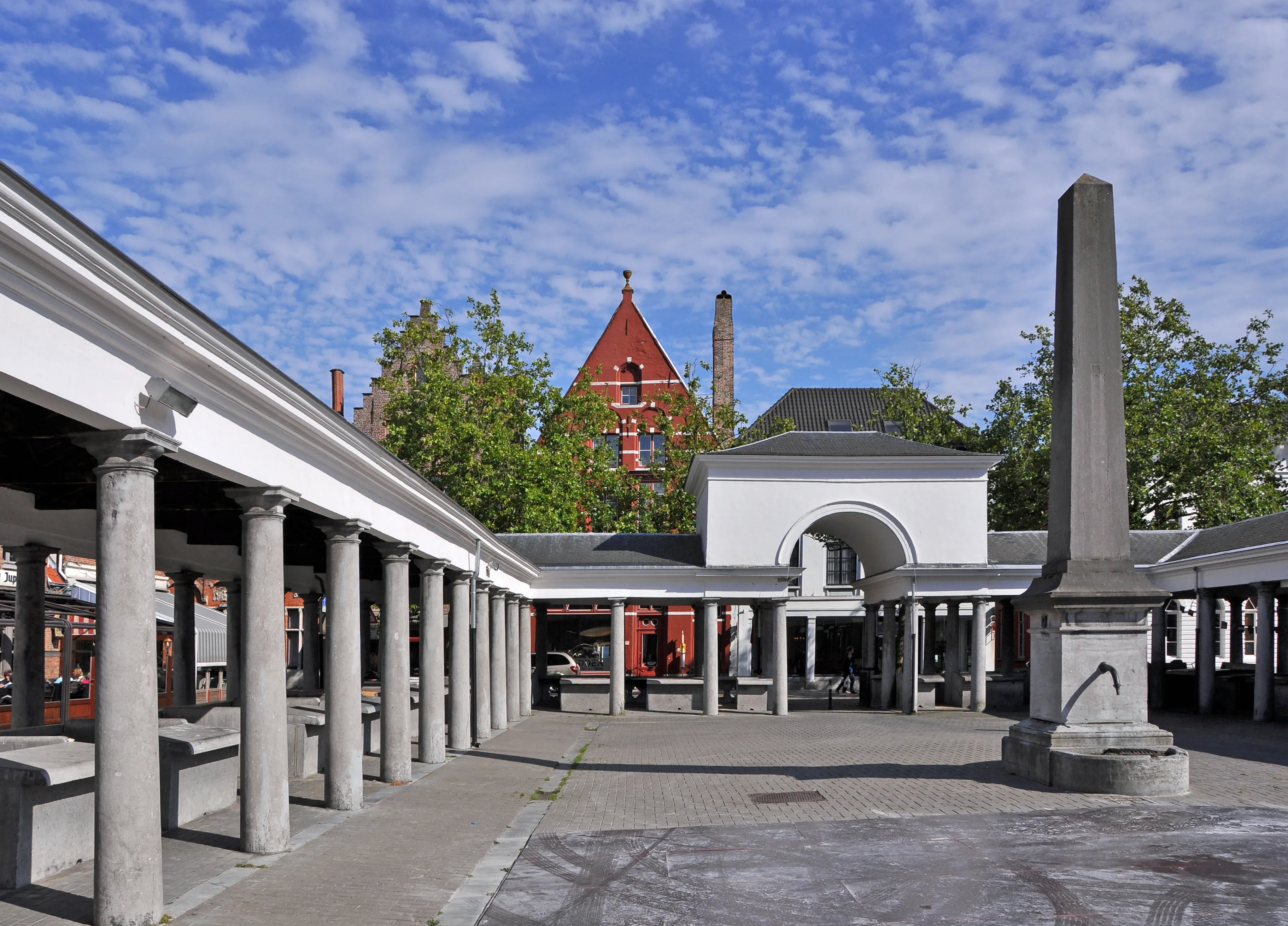
A historic square once used by leather tanners and as a small fish market. Its enclosed, courtyard-like atmosphere is surrounded by restaurants and terraces, serving as a charming hub for tourists near the Rozenhoedkaai.
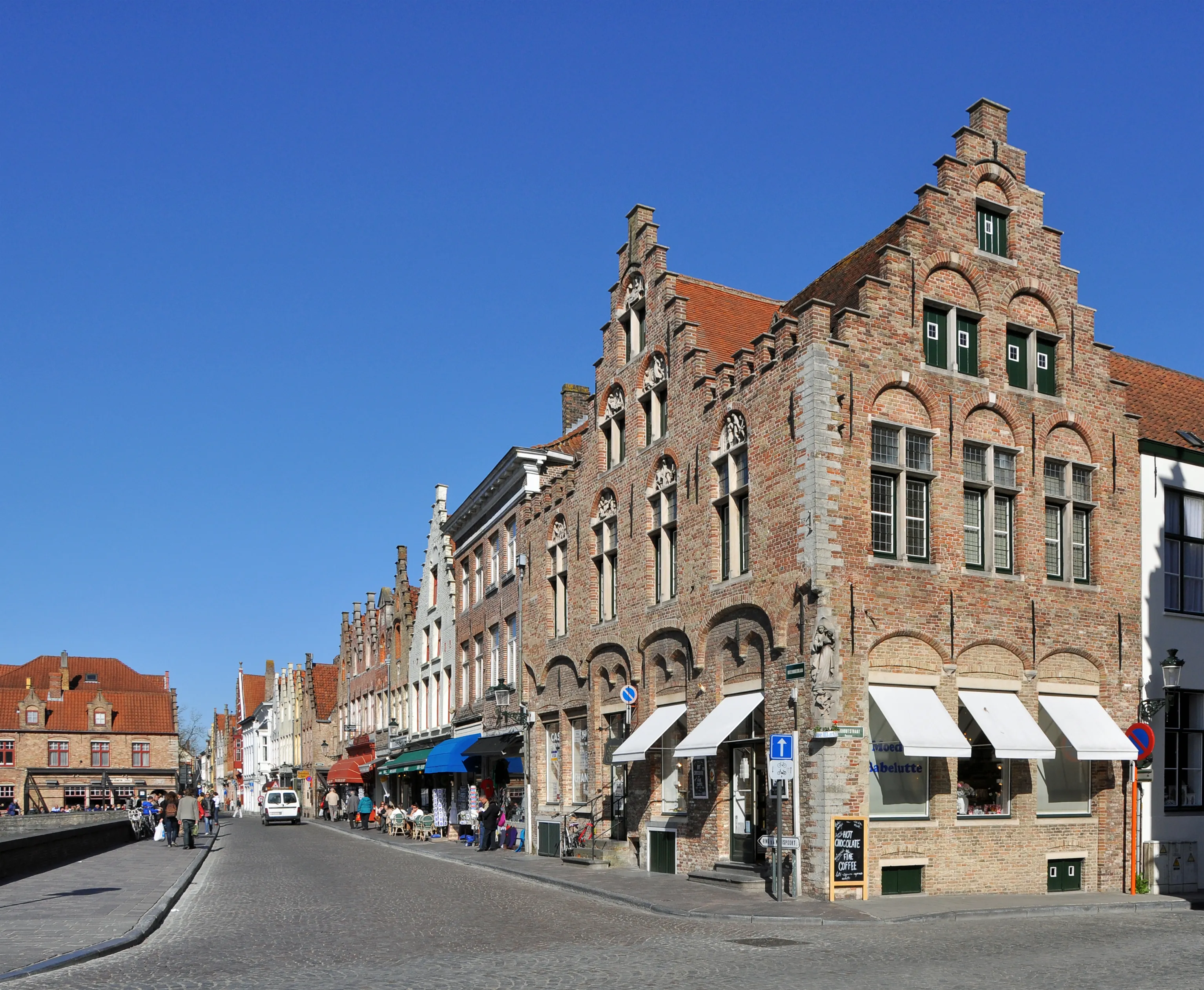
6. Rozenhoedkaai
A famous canal-side street offering one of the city's most iconic and photographed views. Formerly a salt unloading wharf, it earned its name in the 18th century from the many stalls selling rosaries along its banks.
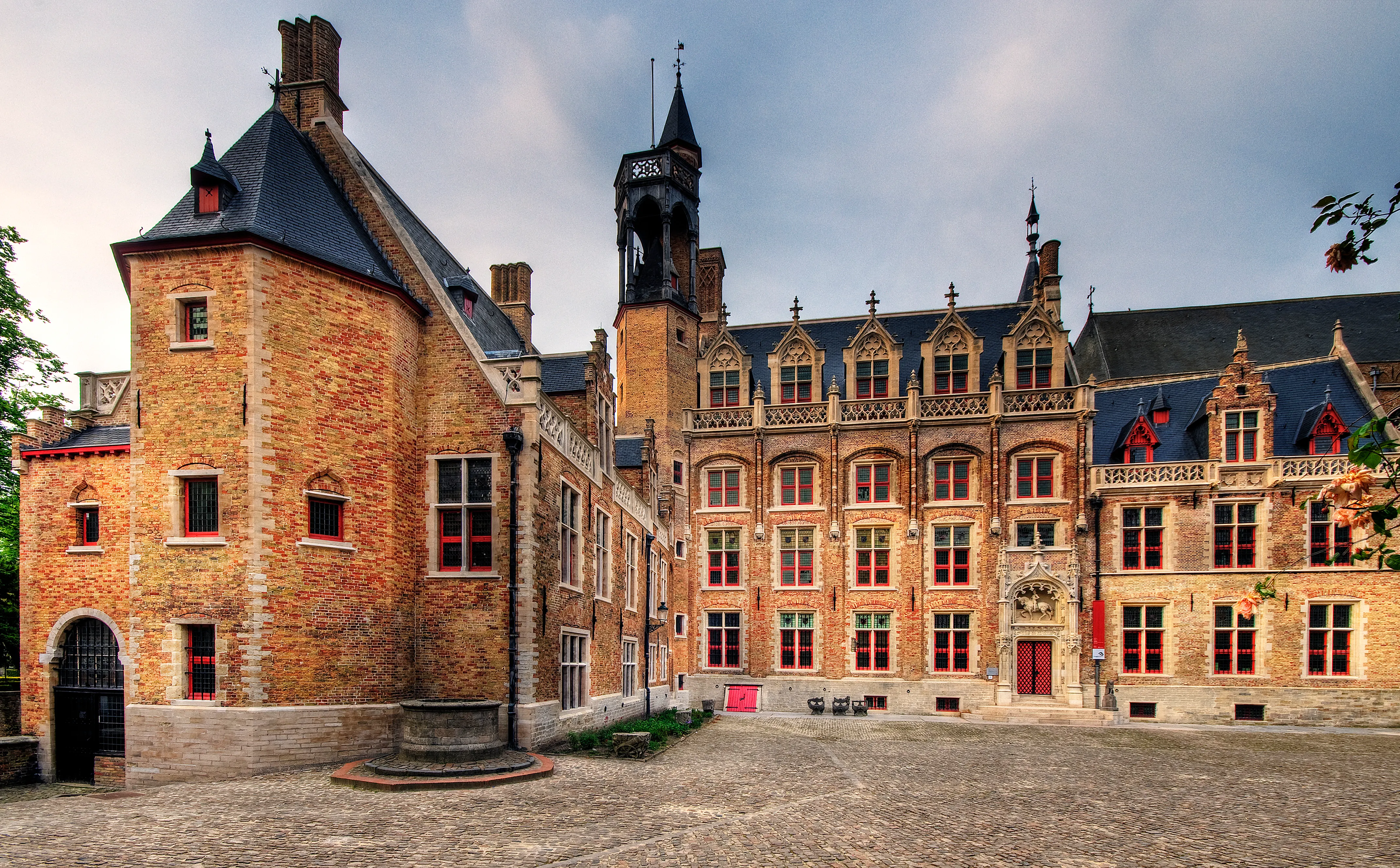
7. Gruuthusemuseum
A museum showcasing a collection of applied arts and cultural heritage, featuring furniture, bobbin lace, gold and silver objects, weapons, musical instruments, and ceramics from the 15th to 19th centuries. The museum's most famous object is a painted terracotta bust of Charles V, Holy Roman Emperor.
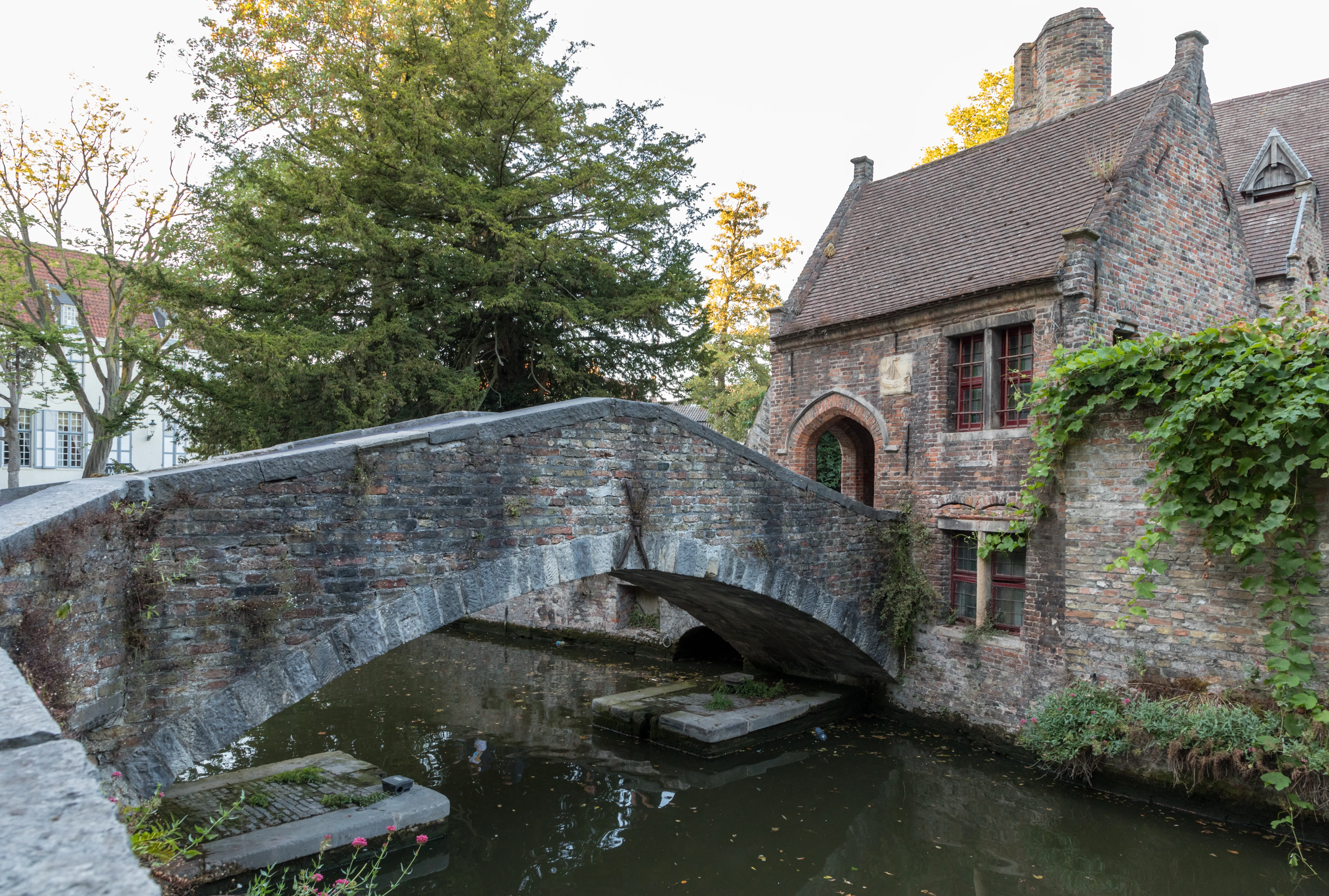
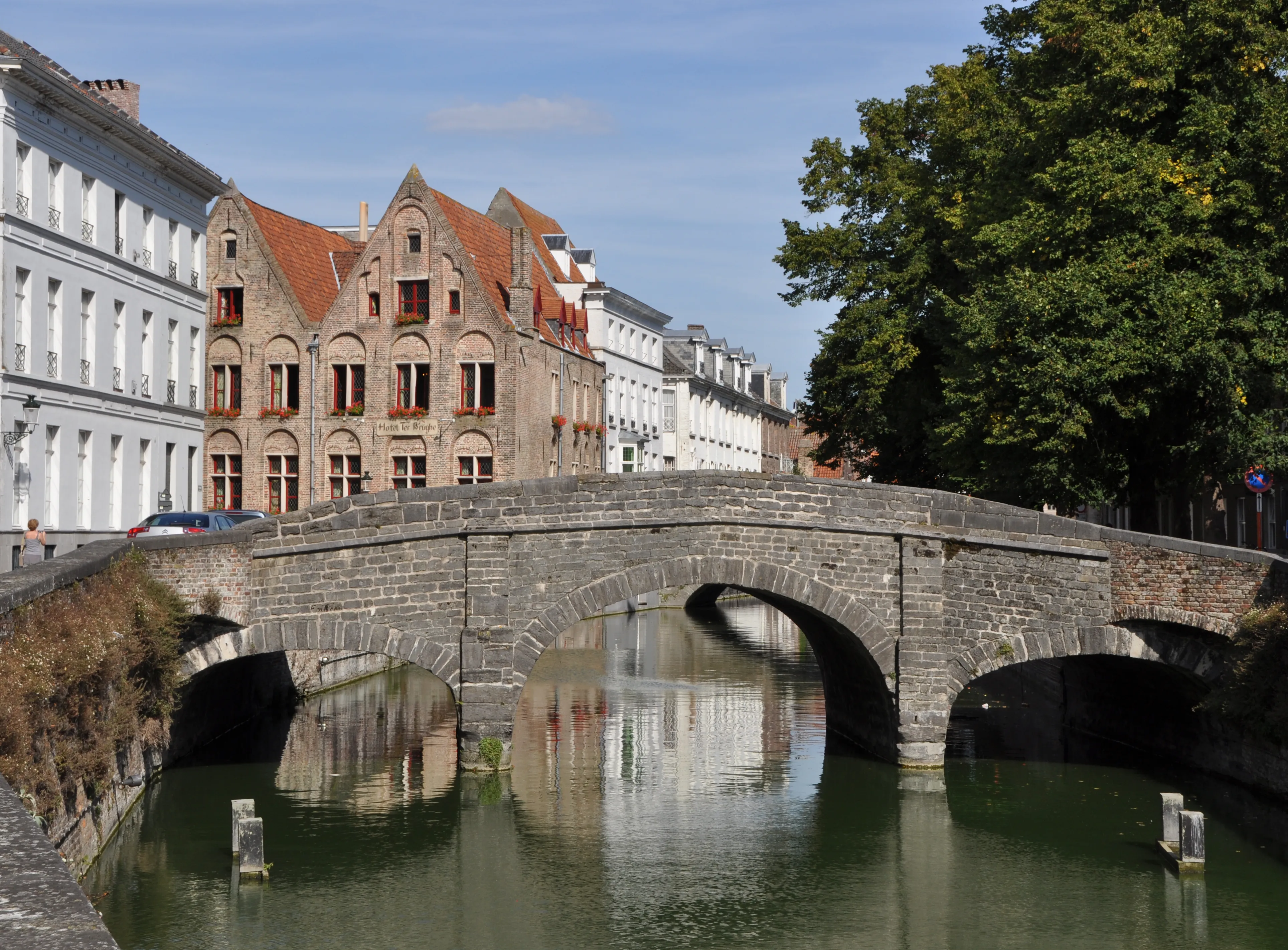
8. Bonifatiusbrug
A footbridge and arch bridge that crosses the Bakkersrei. This pedestrian structure provides a scenic walkway through the historic area.